
What Is The Difference Between A Sewing Machine And An Overlocker?
, by Sarah A, 2 min reading time
, by Sarah A, 2 min reading time
Discover the difference between a sewing machine and an overlocker, how each works, when you need both, and how to choose a machine for your sewing projects.
If you're interested in dressmaking or sewing your own clothes, you may be wondering whether you need a standard sewing machine, an overlocker or both. Although these machines can be used together, they perform different jobs and produce different results.
Understanding the differences will help you choose the right equipment for your projects and achieve a professional finish.
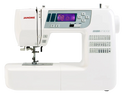
A standard sewing machine joins pieces of fabric together using stitches formed with a needle and bobbin thread.
Most domestic sewing machines offer a range of stitch options, making them suitable for everything from basic repairs and alterations to dressmaking, quilting and creative sewing projects.
Depending on the model, features may include adjustable stitch length and width, automatic buttonholes, decorative stitches and speed control.
One of the biggest advantages of a sewing machine is its versatility. You can use it to construct garments, insert zips, sew darts, attach collars and cuffs, and complete many other tasks that require accurate stitching.
However, the raw edges of woven fabrics may need finishing separately to prevent fraying.
An overlocker, sometimes called a serger, uses multiple threads and loopers to stitch over the edge of fabric. This creates a neat, secure finish while trimming excess material with an integrated blade on many models.
Overlockers are particularly useful for dressmaking because they can finish seams quickly and help prevent fabric edges from fraying. They are also well suited to stretch fabrics, such as jersey, as their stitches can accommodate movement without breaking when correctly set up.
Many overlockers offer different stitch configurations, including three-thread and four-thread options. The most suitable configuration depends on the fabric, seam and finish required.
However, an overlocker doesn't replace a standard sewing machine. Its stitching is designed primarily for edge finishing and seam construction rather than tasks such as sewing buttonholes or inserting conventional zips.
Yes… in fact, many dressmakers find that a sewing machine and an overlocker complement each other perfectly.
You might use your sewing machine to assemble a garment, insert a zip and add details before using an overlocker to finish the internal seams. When making stretch clothing, an overlocker can also help create flexible seams and tidy edges.
Using both machines can save time and give homemade garments a more professional appearance, although you don't necessarily need both when you're starting out.
If you're new to sewing, a standard sewing machine is usually the most versatile starting point. It allows you to learn essential techniques and tackle a wide range of projects.
A good quality overlocker from a trusted brand such as Janome may be a worthwhile next purchase if you regularly make clothes, work with stretch fabrics or want to improve the finish inside your garments.
Consider the projects you enjoy most, your budget and the features you'll genuinely use. If you're unsure which machine would suit your needs, a specialist sewing machine retailer can help you compare models and decide whether investing in both makes sense.


